

The short answer
Hiring a full-time employee in the Philippines costs roughly 21.5% to 24.0% more than their monthly base salary for salaries up to ₱35,000/month, and 18.3% to 20.2% more at ₱50,000/month once the SSS Monthly Salary Credit (MSC) ceiling kicks in (excluding vs. including 5-day leave accrual). Beyond monthly base pay, every employer must budget for employer statutory shares (SSS 10% + EC, PhilHealth 2.5%, Pag-IBIG 2%), mandatory 13th month pay (1/12 of basic pay), and 5-day Service Incentive Leave (SIL) liability after one year of service.
On this page
Monthly employer cost breakdown (2026–2027 rates)
Under current SSS Circular 2024-006 (RA 11199), PhilHealth Advisory 2025-0002 (RA 11223), HDMF Circular 460 (RA 9679), Presidential Decree 851 (13th month pay), and Labor Code Article 95 (5-day SIL), here is the true monthly cost of a full-time employee on a 5-day workweek (261-day DOLE factor for SIL valuation):
| Cost component (monthly) | ₱18,000/mo | ₱25,000/mo | ₱35,000/mo | ₱50,000/mo |
|---|---|---|---|---|
| Base monthly salary | ₱18,000.00 | ₱25,000.00 | ₱35,000.00 | ₱50,000.00 |
| Employer SSS (10% MSC) + EC (₱30) | ₱1,830.00 | ₱2,530.00 | ₱3,530.00 | ₱3,530.00 |
| Employer PhilHealth (2.5% basic) | ₱450.00 | ₱625.00 | ₱875.00 | ₱1,250.00 |
| Employer Pag-IBIG (2%, ₱10k cap) | ₱200.00 | ₱200.00 | ₱200.00 | ₱200.00 |
| Subtotal: ER statutory shares | ₱2,480.00 | ₱3,355.00 | ₱4,605.00 | ₱4,980.00 |
13th month accrual (base ÷ 12) |
₱1,500.00 | ₱2,083.33 | ₱2,916.67 | ₱4,166.67 |
| Cash + 13th month monthly cost | ₱21,980.00 | ₱30,438.33 | ₱42,521.67 | ₱59,146.67 |
5-day SIL accrual (base × 5 ÷ 261) |
₱344.83 | ₱478.93 | ₱670.50 | ₱957.85 |
| True fully loaded monthly cost | ₱22,324.83 | ₱30,917.26 | ₱43,192.17 | ₱60,104.52 |
| Overhead above base salary | +24.0% | +23.7% | +23.4% | +20.2% |
Check any salary's exact SSS employer and employee shares using our SSS contribution table or see all four statutory tables in our 2027 Philippine payroll rates guide.
Notes on the table:
- Why overhead drops above ₱35,000/month: SSS employer contributions cap at ₱3,530.00/month (
10%of the ₱35,000 maximum MSC plus ₱30 EC), and Pag-IBIG caps at ₱200.00/month (2%of the ₱10,000 ceiling). Only PhilHealth (2.5%employer share) continues scaling up to the ₱100,000 salary ceiling (₱2,500.00/monthmax employer share). - 6-day workweek (
313factor) SIL: On a 6-day workweek, 5 days of SIL equalsbase × 5 ÷ 313(₱287.54/moat ₱18,000;₱399.36/moat ₱25,000;₱559.11/moat ₱35,000). Under Labor Code Article 95, establishments regularly employing fewer than 10 employees are legally exempt from mandatory 5-day SIL, though many small businesses still budget it to stay competitive.
Probation, upfront costs, and the 10-employee cliff
Three practical questions come up right before a small founder signs a new offer letter:
- Probationary hires cost the same from Day 1: SSS, PhilHealth, Pag-IBIG, and pro-rated 13th month pay apply from the first day of probation, not after month 6. The only statutory cost that waits for 12 months of service is 5-day SIL.
- Upfront hiring cash and buffer: Budget one-time costs before Day 1 (job board ads, pre-employment medical/clinic exams, laptop or POS gear, software seats, and 1 to 2 months of ramp-up). A practical safety rule is holding 3 months of fully loaded cost (about ₱93,000 for a ₱25,000/month hire) in reserve before signing an offer.
- Employee vs. independent contractor: A ₱25,000/month employee costs roughly ₱30,900/month loaded, compared with a ₱30,000–₱35,000 freelance contractor with zero employer statutory shares or 13th month pay. Never classify a full-time worker whose hours, tools, and daily methods you control as a freelancer; DOLE applies the four-fold control test and can assess back wages and statutory arrears on misclassified contractors.
- Watch the 10-employee cliff: Crossing from 9 to 10 (or 11) regular employees across your business removes several micro-business statutory exemptions at once: mandatory 5-day SIL (<10 workers, Art. 95), unworked regular-holiday pay for retail/service shops (<10, Art. 94), maternity salary-differential exemption (≤10 enterprises, RA 11210), and retirement-pay exemption for retail, service, and agricultural firms (≤10, RA 7641).
Annual cash flow: why December hits twice as hard
Even small businesses that budget monthly salaries accurately get blindsided in December because 13th month pay and unused SIL cashouts are paid as lump sums rather than monthly installments.
Take a 6-person team with a ₱150,000/month combined base payroll (six staff averaging ₱25,000/month on a 5-day workweek):
- January to November monthly cash out:
₱150,000gross salaries +₱20,130employer SSS/PhilHealth/Pag-IBIG shares = ₱170,130/month. - December cash out (if you did not set aside 1/12 monthly):
₱170,130regular December payroll +₱150,00013th month pay (due on or before December 24 under PD 851) + up to₱34,483if you voluntarily grant and cash out 5 unused SIL days (6 × ₱478.93 × 12) = ₱354,613 in a single month (more than 2× your usual monthly payroll).
Practical rule for solo founders: Transfer 8.33% of monthly basic payroll into a separate "13th Month & Remittances" bank sub-account every single cutoff. For exact 13th month rules on absences, mid-year hires, and resigned staff, read our 13th month pay guide.
Hidden labor costs that catch small businesses off guard
Beyond the base table above, five real-world Philippine labor costs can push actual headcount cost 25% to 35% above base pay if you do not price them into your products or retainers:
- Regular holidays and rest-day premiums: Retail shops, cafes, clinics, and restaurants that stay open on the 12 regular holidays pay 200% (
+100%extra) on worked regular holidays and 130% (+30%extra) on worked special non-working days. Check our 2027 Philippine holiday pay rules and cafe and restaurant shift guide to forecast high-holiday months like March/April (Holy Week) and December. - Night Shift Differential (NSD) and overtime: Any work between 10:00 PM and 6:00 AM carries a mandatory +10% night differential (Labor Code Article 86), stacking on top of ordinary overtime (
125%) or holiday rates. - Maternity leave cash advance and salary differential (RA 11210): When a female employee takes 105-day Expanded Maternity Leave, the employer must advance the full benefit within 30 days of filing and wait for SSS reimbursement up to the ₱20,000 Regular SS MSC cap (₱70,000 max for 105 days), plus absorb the salary differential above the SSS benefit. Under RA 11210 Section 5(c) and DOLE Department Advisory No. 01-2019, distressed firms, retail/service and other enterprises with 10 or fewer workers, micro-businesses/BMBEs (
≤₱3Massets), and employers giving equal or better benefits may apply annually for salary-differential exemption at DOLE within the first semester (by June 30). - De minimis allowances and HMO: Adding tax-free rice (
₱2,500/month) and uniform (₱8,000/year) allowances under BIR RR 29-2025 raises employee take-home pay without triggering withholding tax, but still increases your real employer cash cost by₱3,166.67/monthper employee. - Mid-year regional wage orders and retirement accrual: A mid-year regional wage order (such as NCR-28 in Metro Manila or ROVII-27 in Central Visayas/Cebu) raises both base pay and SSS MSC brackets simultaneously. Longer-term, RA 7641 (Labor Code Article 302) creates statutory retirement pay exposure (
22.5 daysper year of service for eligible retiring employees aged 60+ with at least 5 years of service); only retail, service, and agricultural establishments regularly employing 10 or fewer workers are exempt (manufacturing, wholesale, and construction firms are covered regardless of headcount).
Why salary-only budgets break
- Looking only at net bank transfers: Checking your bank statement after payday shows net pay (
base - EE deductions), hiding the~13%–14%employer remittance shares due the next month and the8.33%13th month liability building every cutoff. - Overtime creep across a team: Two extra hours of unapproved overtime per day per person across 5 staff adds over ₱15,000/month in hidden payroll cost that never appears in a static hiring budget.
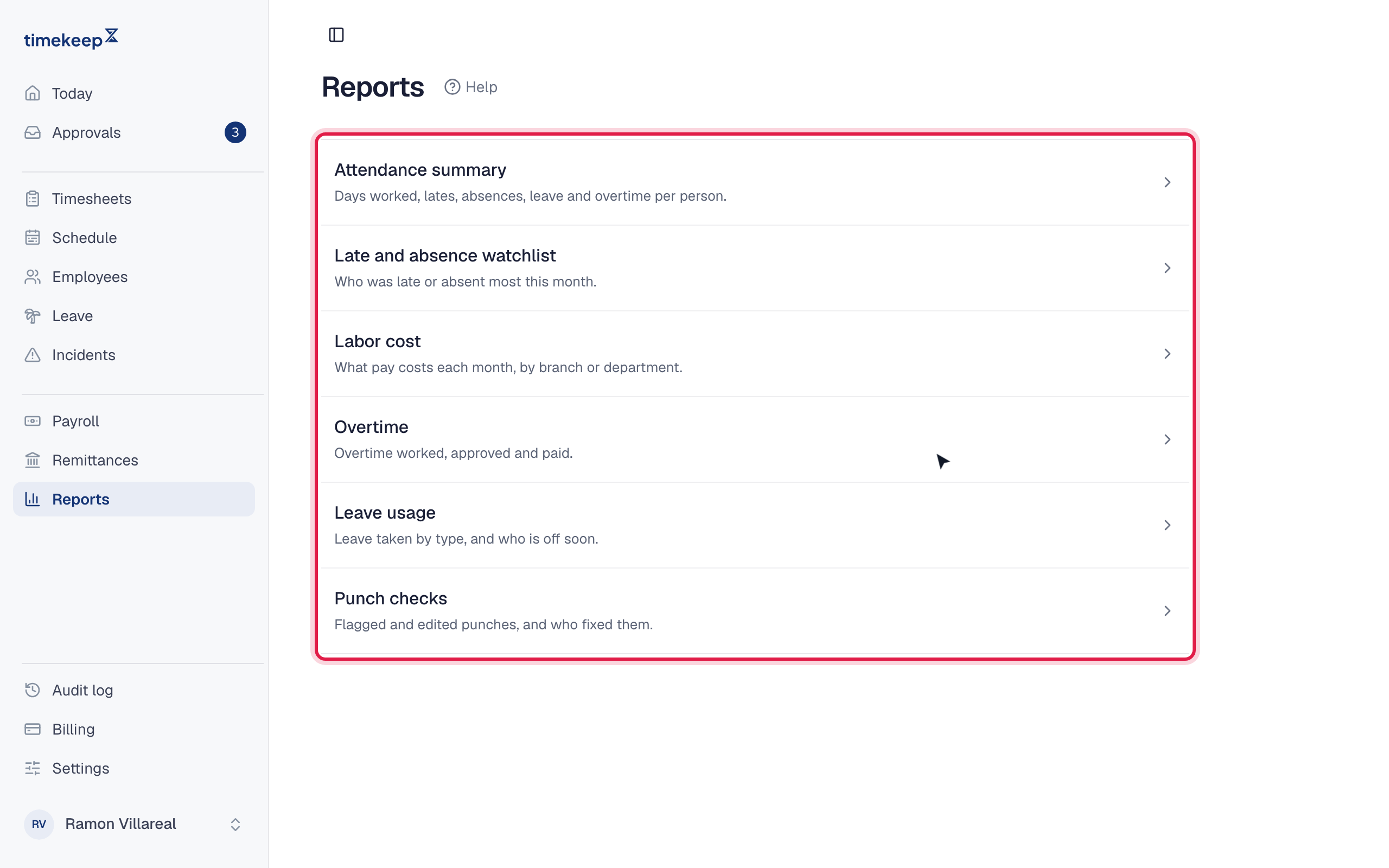
- Tracking monthly labor cost by team or branch: Whether you run one office or multiple locations, failing to track approved payroll cost (base pay, overtime, holiday premiums, and employer statutory shares) each month makes it hard to know whether your team pricing or a new branch is actually profitable.
General information for Philippine employers, not legal or tax advice. Sample templates and computations are starting points—verify specific cases with DOLE, BIR, or your accountant or labor counsel before acting on them.